Influencer marketing · October 20, 2026 · 6 min read
Brand Safe Muslim Influencer Campaigns That Convert
Build brand safe Muslim influencer campaigns with vetted creators, clear briefs, and halal-aware review that protects trust and moves products at scale.
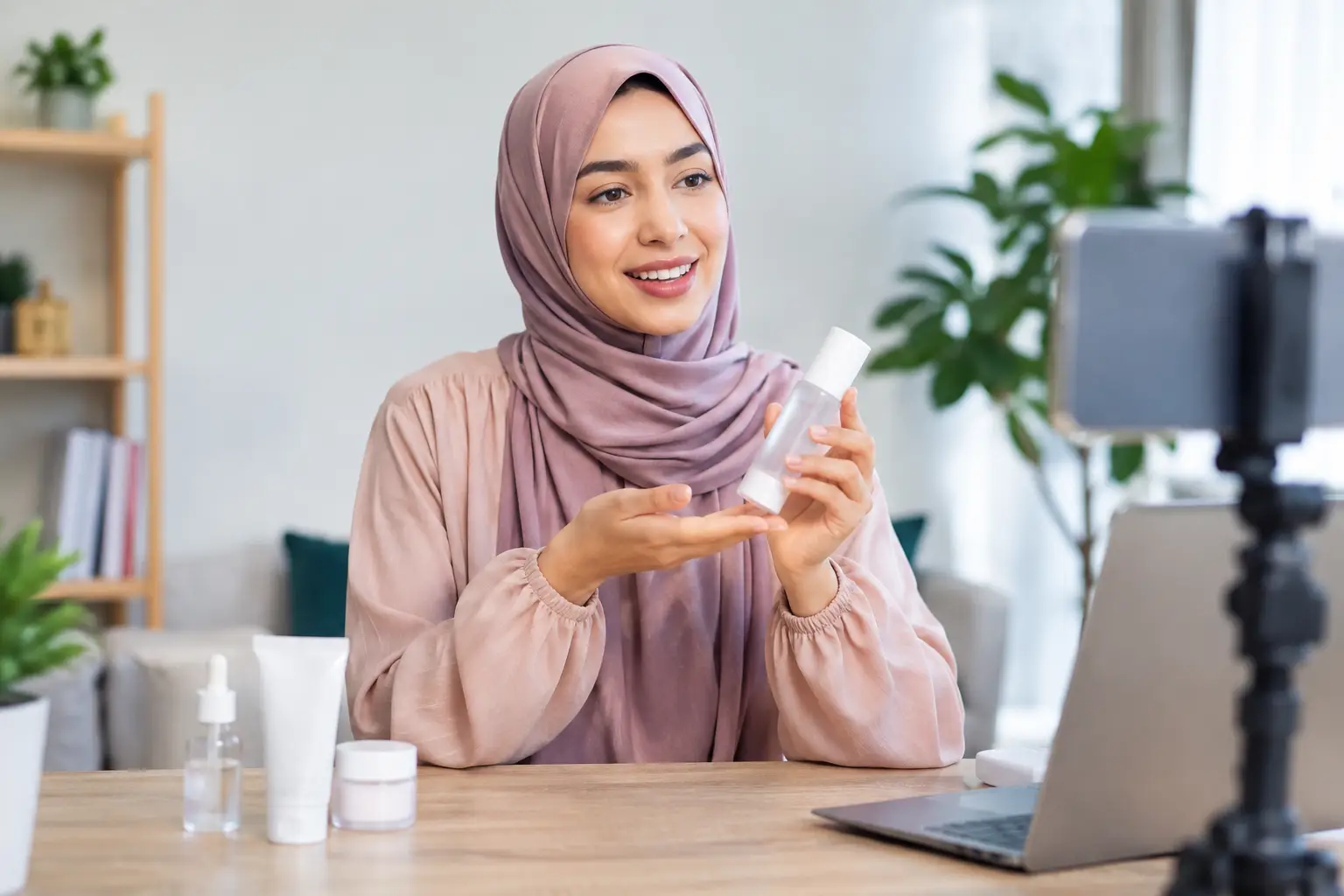
A misplaced partnership can cost a halal brand more than a wasted creator fee. It can make customers question whether the business understands the values it sells around. Brand safe Muslim influencer campaigns are built to prevent that problem before a brief is sent, while still giving your product a credible path to reach and revenue.
For Muslim founders and marketing teams, brand safety is not a vague corporate checklist. It is the practical work of choosing creators, content formats, claims, and adjacent brand associations that fit the audience's expectations. The goal is simple: put your brand in front of people who are likely to buy, without asking them to overlook a cultural or religious mismatch.
What Brand Safe Muslim Influencer Campaigns Require
A Muslim creator is not automatically the right creator for every halal business. Audience trust is specific. A parenting creator may be ideal for a family snack brand but a poor fit for an Islamic investing app. A comedy creator can introduce a broad consumer product effectively, while a charity campaign may need a more educational or faith-centered voice.
Start with fit, not follower count. Look at the creator's audience geography, engagement quality, recurring content themes, prior partnerships, comment section, and how they speak about faith, family, identity, and consumption. For a brand selling to Western Muslim consumers, a creator with a smaller but clearly relevant U.S., Canadian, or UK audience can outperform a larger account with scattered reach and weak purchase intent.
Brand safety also includes the content surrounding your campaign. A halal-certified food product should not appear next to alcohol promotion. A modest fashion campaign needs visual direction that aligns with the customer it wants to serve. Islamic financial products need especially careful language around returns, risk, and Shariah compliance. These are not cosmetic details. They affect whether a recommendation feels credible or transactional.
The right standard is not perfection. Creators are people, with distinct perspectives and audiences. The standard is a documented, commercially sensible fit between the creator, the product, the campaign message, and the values your customers expect you to uphold.
Define the non-negotiables before creator outreach
Most campaign mistakes begin with an unclear brief. A founder says they want awareness, sends out free product, and discovers later that the creator's audience does not know what makes the item halal, useful, or different. Or the content looks polished but makes a product claim the legal or compliance team cannot support.
Before outreach, decide what cannot move. That may include prohibited adjacent categories, required halal certification language, modesty expectations for visuals, faith-sensitive dates, specific product claims, or disclosures. Be equally clear about what is flexible. Creators need room to use their own voice, select the format that works for their audience, and avoid reading like a paid script.
A useful brief answers a few operational questions in plain language: Who is this for? What problem does it solve? What must be said accurately? What should not appear in the content? What is the single action you want viewers to take? If the answer is buy now, give the creator a usable offer, landing page direction, code, or product bundle. Do not ask them to manufacture urgency from nothing.
Running Brand Safe Muslim Influencer Campaigns Without Slowing Down
Safety does not require a six-week approval chain. It requires a repeatable workflow. The fastest teams separate decisions that need brand approval from decisions creators should own.
The brand should approve the creator shortlist, campaign objective, key claims, prohibited associations, required disclosures, and final deliverables. The creator should own their natural hook, wording, pacing, setting, and the details that make the post recognizable to their audience. When brands attempt to control every line, content loses the reason people follow creators in the first place.
For product-gifting collaborations, the trade-off is control. Gifting can be efficient for early-stage halal brands that want organic product discovery and a range of creator relationships. But product-only partnerships may not guarantee a post, a timeline, usage rights, or revisions. Put the terms in writing before product ships.
Paid campaigns give you more certainty. You can define deliverables, posting windows, approval rights, exclusivity, payment timing, and the treatment of content after publication. They are the better choice when you have a launch date, a performance target, a regulated message, or a product that requires accurate education.
This is where managed execution can earn its keep. Hadyah, for example, can handle creator selection, rate negotiation, briefing, scripts, contracts, payment, revisions, and final delivery. That is useful when your team needs a multi-creator campaign but does not need another spreadsheet, inbox, and payment process to manage.
Review for context, not just compliance
A pre-post review should catch factual errors, missing disclosures, incorrect pricing, and obvious visual issues. It should also check context. Is the product shown in a setting that makes sense? Does the creator understand the distinction between halal certification, Muslim-owned status, and a product merely marketed to Muslims? Are they framing an Islamic education offer as a guarantee, rather than an educational resource?
Avoid turning review into a hunt for harmless personal differences. Muslim communities are not a single audience with one aesthetic, ethnicity, school of thought, or level of religious practice. A campaign that tries to appeal to everyone through generic faith imagery often connects with no one.
Instead, match the creator and message to the customer segment you actually serve. A natural skincare brand may need a lifestyle creator who speaks to ingredient-conscious Muslim women. A Ramadan meal campaign may need family creators who can demonstrate real household use. A nonprofit may need creators with a clear history of community education and charitable work.
Timing deserves the same attention. Ramadan, Eid, back-to-school, wedding season, and year-end giving can create strong demand, but they also make creator calendars tight. If your product is relevant to a religious moment, book early and make the message useful. Audiences can tell the difference between a brand that planned for Ramadan and one that remembered it when ad costs increased.
Measure Trust Alongside Sales
Sales matter. Track code redemptions, attributed revenue, conversion rate, average order value, new customer rate, and the cost to acquire each customer. If a creator drives traffic but no purchases, check the offer, landing page, price point, shipping, and product-market fit before blaming the content.
But campaign reporting should not stop at clicks. Read comments and direct replies. Look for questions that reveal confusion, objections, and intent: Is it halal-certified? Does it ship to Canada? Is this suitable for sensitive skin? Can I use this during Ramadan? Those questions show you what future creative, product pages, and creator briefs need to answer.
Save high-performing content by angle, not only by creator. One post may work because it demonstrates the product in a family routine. Another may work because it handles a common concern directly. With permission and agreed usage rights, these insights can inform paid social, email, product pages, and your next creator round.
Do not overreact to one campaign. A first collaboration can identify the right customer language even if it is not immediately profitable. The second and third campaigns are where a disciplined brand starts testing creator tiers, offers, formats, and repeat partnerships. Familiarity compounds when the same trusted creator returns with a real reason to talk about your product again.
The best Muslim influencer campaigns do not borrow community trust and move on. They respect it as an asset that took creators years to build. Give creators a clear offer, protect the values your customers care about, and leave room for a recommendation that sounds like a person, not a media buy.
Want creators matched to your brand?
Hadyah connects halal brands with verified Muslim creators — with clear terms and protected payments.
Keep reading

Influencer marketing · October 18, 2026
Muslim Charity Campaign Influencers That Deliver
Muslim charity campaign influencers can build trust and donations when briefs, creators, disclosures, and measurement all respect Islamic values at scale.
Read more
Influencer marketing · October 17, 2026
Muslim Parenting Influencers for Brands That Fit
Find Muslim parenting influencers for brands that need trusted family voices, halal-aware content, and creator campaigns built to drive customer action.
Read more