Influencer marketing · October 14, 2026 · 7 min read
How to Find Muslim Influencers for Your Brand
Learn how to find Muslim influencers with real audience trust, cultural fit, and campaign terms that protect your halal brand and drive measurable sales.
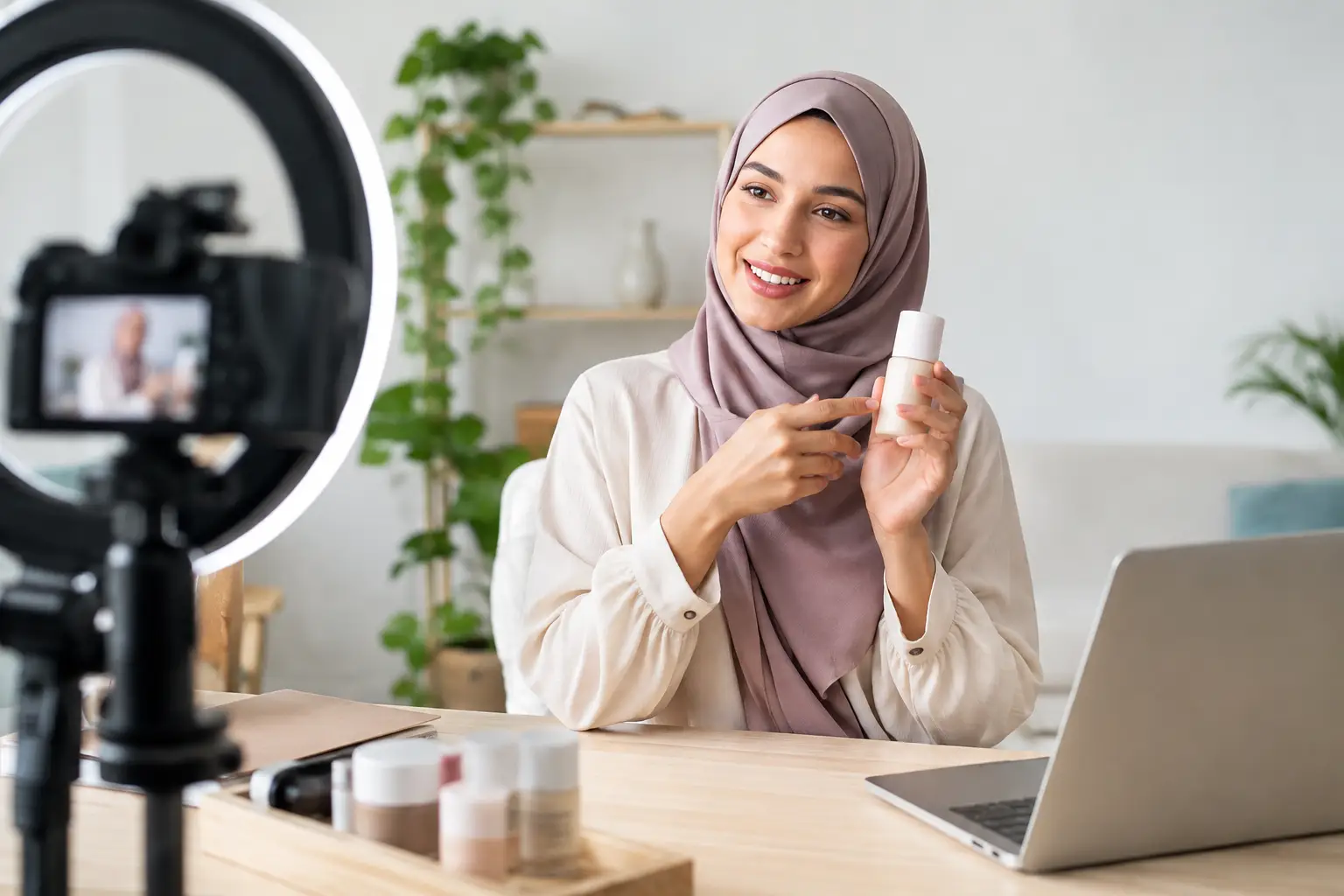
A modest-fashion launch can fail before the first post goes live if the creator’s audience does not recognize the product, the messaging feels forced, or the content sits beside values your buyers reject. That is why learning how to find Muslim influencers is not a follower-search exercise. It is a fit exercise: brand, creator, audience, product, and campaign goal all need to line up.
For halal brands selling to Muslim consumers in the US, Canada, and the UK, cultural credibility is part of performance. The right creator can introduce your product in language their community already trusts. The wrong one can make a well-funded campaign feel like an ad from a brand that does not understand its own customer.
Start With the Campaign Goal, Not a Creator Name
“Find Muslim influencers” is too broad to produce a useful shortlist. Start by deciding what the campaign must accomplish. A new halal snack brand may need product trial and short-form recipe content. An Islamic education platform may need qualified leads. A family personal-care brand may want credible testimonials that it can reuse in paid social.
Your goal changes the creator profile. Reach can help with awareness, but a smaller Muslim creator with a tight, active community may drive more tracked sales than a large lifestyle account with broad but passive followers. If your objective is conversion, prioritize audience trust, content quality, and a clear ability to explain the product. If it is awareness, prioritize reach, repeatable video formats, and a clean brand association.
Write a short brief before you search. Include the product, target customer, market, campaign goal, required deliverables, timing, budget range, and non-negotiables. For example, a halal-certified product claim must be accurate. A Ramadan campaign needs timing that respects the calendar and the audience’s attention. A finance brand may need creators who can discuss Islamic principles responsibly rather than making loose claims for engagement.
Tell creators the goal, not every word of the process. Good creators know what their audiences respond to. Your brief should give them direction without flattening the voice that made their audience follow them.
Where to Find Muslim Influencers
You can find capable Muslim creators through manual research, referrals, creator platforms, or a managed agency. The best route depends on how much time your team has and how much risk you can absorb.
Manual research works when you have a narrow audience and the capacity to vet people properly. Search relevant content rather than generic identity terms alone. Look at halal food reviews, modest outfit styling, Muslim parenting routines, Islamic learning content, charity fundraising, Eid preparation, and faith-centered lifestyle videos. Search by the customer problem your product solves, then look for Muslim creators already speaking to that problem.
Referrals can be valuable because they come with context. Ask founders, community organizations, retail partners, and past creators who they trust. Still, treat a referral as an introduction, not approval. You need to verify the audience and commercial fit yourself.
A specialized platform is usually faster when you need several creators, specific categories, or reliable campaign operations. Hadyah, for example, is built around verified Muslim creators and halal-aware brand partnerships. That reduces the time spent explaining basic cultural constraints to people who are not familiar with the market.
A general influencer database can produce volume, but it often makes your team do the cultural filtering. That may be workable for a one-off collaboration. It becomes expensive when you are screening dozens of profiles, handling contracts, chasing revisions, and finding out too late that the creator is not right for a Muslim audience.
How to Vet Muslim Influencers Beyond Follower Count
A creator can identify as Muslim and still be wrong for your campaign. Identity matters, but relevance and execution matter too. Review their work as a buyer would, not just as a marketer scrolling for attractive numbers.
First, inspect the audience signals. Read comments, not only likes. Are followers asking questions, sharing personal experiences, tagging friends, and responding to recommendations? Do the comments suggest a real Muslim or halal-conscious community, or are they generic reactions from a broad audience? Look at where the audience is located if your business only ships to certain markets.
Then assess content fit. A creator who makes funny family videos may be excellent for an everyday food product but not the best person to explain a detailed Islamic finance offering. A faith educator may have high trust, but their audience may not expect frequent commercial content. There is no universal best category. The product and the creator’s established role need to match.
Review recent sponsored posts as well. Look for basic execution: clear disclosure, understandable messaging, usable video and audio, and a call to action that does not feel bolted on. More importantly, see how the audience responds to sponsorships. If every paid post receives noticeably weaker engagement or skeptical comments, that is a signal to negotiate carefully or choose another partner.
Finally, confirm brand safety in direct conversation. Ask what categories the creator will and will not promote, whether they accept product-only collaborations, how they handle revisions, and what usage rights they can offer. A creator with clear boundaries is usually easier to work with than one who agrees to everything and creates confusion later.
Check for Cultural and Religious Fit Early
Halal marketing is not just avoiding obvious mistakes. It is understanding what the audience notices. Music, modesty, ingredient claims, faith references, imagery, adjacent sponsors, and the timing of a post can all shape how a campaign lands.
That does not mean every Muslim creator follows the same approach. Muslim audiences are diverse in practice, culture, language, age, and buying behavior. Do not assume one creator represents every Muslim consumer. A British Pakistani mother, an Arab American comedy creator, a Black Muslim lifestyle creator, and a convert-focused educator may all serve distinct communities with different expectations.
Be specific about what your brand requires. If your product is halal-certified, provide the certification details and approved wording. If you do not want music in the content, say so before terms are agreed. If you are running a Ramadan or Eid campaign, build in review time and avoid last-minute asks. Clear requirements are respectful. Surprises are not.
There is also a commercial reason to be precise. When a creator understands the product and feels comfortable representing it, the content is more believable. When they are asked to improvise around unclear religious or cultural concerns, the campaign slows down and the final post often shows it.
Set Terms Before You Send Product
Product gifting can be an efficient way to test creator fit, especially for early-stage e-commerce brands. But gifted product is not a guaranteed post. If you need a deliverable, a posting date, usage rights, or exclusivity, put it in writing.
Agree on the basics before shipping anything: the exact deliverables, platform, posting window, fee or product value, revision process, disclosure requirements, tracking method, and content usage. If you intend to run the creator’s video as an ad, specify the usage period and channels. Organic posting rights and paid advertising rights are different purchases.
Rate negotiation should reflect more than follower count. Consider average views, audience location, production effort, creator expertise, exclusivity, and the rights you need. A creator making a simple Story mention should not be priced like a creator producing polished video you plan to use across paid media for six months.
For multi-creator campaigns, standardize the brief and tracking, but do not force identical scripts. Give each creator a clear message hierarchy: what must be said, what can be said, and what must not be claimed. This protects the brand while keeping the content native to each account.
Measure What the Campaign Actually Changed
Vanity metrics can make a campaign look successful while sales barely move. Measure performance against the original goal. For awareness, track qualified reach, views, watch time, and audience geography. For conversions, use unique codes, tracked links, landing-page sessions, add-to-carts, and sales. For content production, judge whether the creative is strong enough to repurpose in your own channels.
Give attribution some context. A parent may see a creator’s video, search your brand later, and purchase through direct traffic. A discount code will not capture every sale. Compare campaign-period sales, branded search, email signups, and site behavior with your usual baseline instead of relying on one number alone.
Keep a creator scorecard after every partnership. Note responsiveness, briefing accuracy, content quality, audience reaction, cost per result, and whether you would work with them again. Over time, this becomes more valuable than another cold search. The strongest influencer programs are built on repeat relationships, not a fresh list every month.
The best next step is simple: choose one product, one campaign goal, and a short list of creators whose communities already make sense for it. Run a well-defined test, pay attention to the signal, and build from the partnerships that earn trust as well as sales.
Want creators matched to your brand?
Hadyah connects halal brands with verified Muslim creators — with clear terms and protected payments.
Keep reading
Influencer marketing · October 15, 2026
Muslim Influencers for Halal Brands That Fit
Muslim influencers for halal brands help you reach trusted Western Muslim buyers. Choose creators with real fit, clear terms, and measurable sales goals.
Read more
Influencer marketing · October 13, 2026
Muslim Lifestyle Influencers Who Move Sales
Muslim lifestyle influencers can build trust and sales for halal brands. Learn how to choose creators, set clear briefs, and measure campaigns clearly.
Read more