Influencer marketing · October 15, 2026 · 6 min read
Muslim Influencers for Halal Brands That Fit
Muslim influencers for halal brands help you reach trusted Western Muslim buyers. Choose creators with real fit, clear terms, and measurable sales goals.
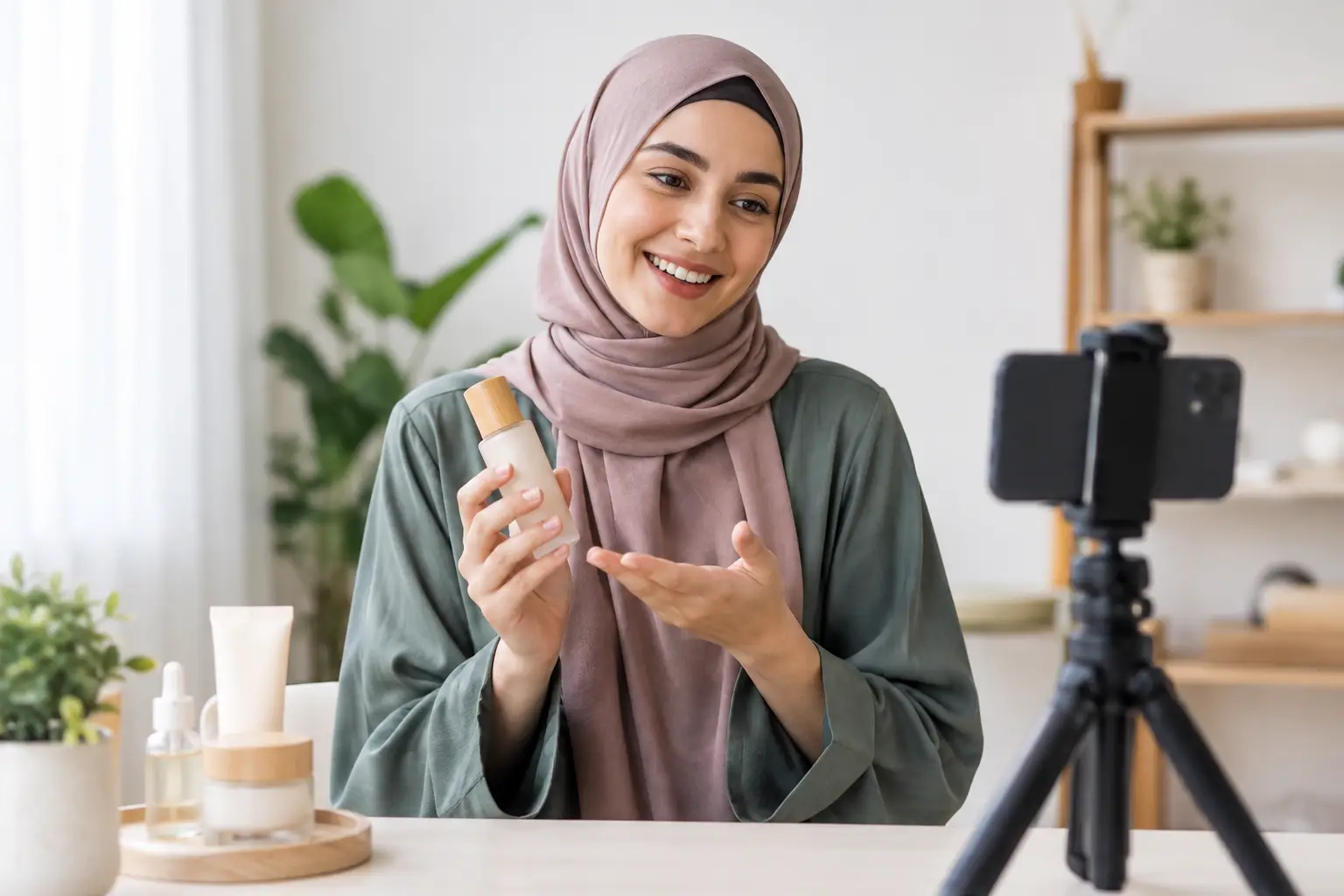
A halal brand can spend heavily on polished creative and still miss the people most likely to buy. The issue is rarely reach alone. It is whether the person presenting the product understands the customer, the product claims, and the lines a Muslim audience expects brands not to cross. Muslim influencers for halal brands solve that fit problem when the partnership is chosen with care.
For brands selling to Western Muslim consumers, creator marketing is not a generic awareness channel with a cultural label added at the end. It is a trust channel. A creator's audience notices whether a product belongs in their life, whether its halal positioning is clear, and whether the promotion feels like a real recommendation or borrowed credibility.
Why Muslim creators produce a different kind of trust
A Muslim creator does not automatically make every campaign credible. Audience fit, content quality, location, values, and commercial discipline still matter. But creators who live within Muslim communities understand the references, routines, concerns, and standards that shape buying decisions.
That matters when a modest-fashion customer wants to see how a garment fits with hijab styling, not just a studio image. It matters when a family-food brand needs to explain ingredients without making vague halal claims. It matters when an Islamic education product is being presented to parents who care as much about teaching approach as price.
Cultural fluency also reduces avoidable mistakes. A creator who understands the audience is less likely to place a halal product next to content that creates an obvious values conflict. They know when Ramadan content needs more than a crescent graphic, when Eid campaigns require lead time, and when a sincere, useful message will outperform a high-pressure discount code.
The result is not simply better representation. It is more efficient marketing. When the right audience sees itself reflected in the campaign, the creator spends less time explaining why the product is relevant.
What to look for in Muslim influencers for halal brands
Start with the customer and campaign goal, not the follower count. A creator with 15,000 engaged followers in the right niche can outperform a broad lifestyle account with ten times the audience. If your goal is sales, look for evidence that people respond to recommendations: thoughtful comments, repeat sponsored work, saved content, story replies, and a content style that naturally includes products.
Match the creator to the buying moment
A halal snack brand may need busy Muslim parents, fitness-focused consumers, or college students looking for convenient food. Those are different briefs. A parenting creator may build deeper trust for family products, while a food or lifestyle creator may show the product in a more immediate, everyday setting.
For Islamic finance, education, faith, or charity campaigns, category credibility matters even more. The creator does not need to be a scholar to discuss a product, but they should be able to communicate responsibly. If the offer involves religious concepts, financial claims, donations, or children, clarity is not optional.
Location also affects results. A UK-based creator can be excellent for a UK launch and still be the wrong choice for a US-only e-commerce offer. Check where the audience lives, not only where the creator lives. Ask for audience demographics before committing budget.
Review content beyond the highlight reel
Look at recent posts, stories, comments, and previous partnerships. Are followers asking genuine questions? Does the creator disclose paid work clearly? Do sponsored posts still sound like them? A feed with attractive visuals but little conversation may be useful for awareness, but it is a weaker bet for direct response.
Pay attention to brand adjacency. The question is not whether every post must look like your brand. It is whether the creator can represent your product without forcing a contradiction. Halal-aware campaigns require more than a keyword search. They require judgment.
Check the commercial basics early
Good campaigns get expensive when expectations are vague. Before product ships, agree on the deliverables, timeline, usage rights, revisions, payment, required disclosures, discount codes, and how performance will be tracked.
If you need raw footage for paid ads, say so before the creator quotes. If you need exclusivity from competing halal brands, define the category and duration. If you are gifting product rather than paying a fee, be honest about that from the first message. Product-only collaborations can work well for small brands and highly relevant products, but they are not a substitute for paid work when the brief requires production, revisions, and guaranteed delivery.
Build a brief creators can actually use
A useful brief gives direction without turning the creator into a spokesperson reading corporate copy. Tell them the goal, not the process. Then provide the facts they need to represent the brand accurately.
For a straightforward campaign, cover the audience, product, key message, mandatory claims, prohibited claims, deliverables, posting window, offer, disclosure requirements, and approval process. Include what the product is, who it is for, and why a Muslim customer should care now.
Avoid scripts that remove the creator's voice. The audience follows them because of how they explain, review, joke, teach, or tell stories. Ask for essential wording only where accuracy or compliance requires it, such as ingredient claims, pricing, donation terms, or eligibility restrictions.
For Ramadan and Eid, brief earlier than you think. Many creators plan content weeks in advance, and the best concepts are built around real routines: suhoor, iftar, family preparation, giving, travel, hosting, or personal reflection. A last-minute request can still produce content, but it may not earn the attention a seasonal campaign deserves.
Choose the campaign model that matches your team
There is no prize for doing everything yourself. The right model depends on whether your team has time and campaign experience.
A self-managed collaboration makes sense when you have a clear offer, a small creator list, and someone who can handle outreach, negotiation, approvals, and follow-up. It gives you direct control and is often the fastest route for product gifting or a single paid test.
A managed campaign is better when you need several creators, tight timing, formal contracts, or reliable oversight from brief to final delivery. It also helps when internal teams are already stretched. The work is not finding names alone. It is keeping replies moving, confirming rates, resolving questions, collecting drafts, requesting revisions, processing payments, and making sure every post actually goes live.
Hadyah is built for both paths: brands can find verified Muslim creators and run their own outreach, or hand over execution when the campaign needs more coordination. The creator roster is not a generic database. Fit includes the cultural and religious context that halal brands need protected.
Measure more than views
Views are useful, especially for a new launch, but they do not tell you whether the campaign created demand. Set the measurement plan before the first post goes live.
For sales campaigns, use unique discount codes, trackable landing pages, affiliate links where appropriate, and platform-level conversion data. For higher-consideration products, watch email signups, qualified leads, consultation bookings, or resource downloads. For charitable campaigns, track donation volume, recurring donor registrations, and cost per donation rather than treating reach as the finish line.
Also collect the qualitative signals. Which questions kept appearing in comments? Did customers mention the creator at checkout? Did one message angle produce more saves or replies than another? These details improve the next brief and reveal objections that your product page may not answer.
A creator campaign does not need to produce instant viral numbers to be valuable. A well-matched creator can generate usable content, customer language, social proof, and a repeatable acquisition channel. Test with a focused group, compare results fairly, then expand the partnerships that earn their place in your budget.
The most effective halal influencer marketing feels less like an ad placed in front of a Muslim audience and more like a useful recommendation from someone already inside the conversation. Start with fit, put the operational details in writing, and give the right creator enough room to make the message credible.
Want creators matched to your brand?
Hadyah connects halal brands with verified Muslim creators — with clear terms and protected payments.
Keep reading
Influencer marketing · October 14, 2026
How to Find Muslim Influencers for Your Brand
Learn how to find Muslim influencers with real audience trust, cultural fit, and campaign terms that protect your halal brand and drive measurable sales.
Read more
Influencer marketing · October 13, 2026
Muslim Lifestyle Influencers Who Move Sales
Muslim lifestyle influencers can build trust and sales for halal brands. Learn how to choose creators, set clear briefs, and measure campaigns clearly.
Read more