Influencer marketing · October 5, 2026 · 7 min read
Halal Influencer Marketing That Earns Trust
Halal influencer marketing works when creator fit, product claims, and campaign operations respect Muslim audiences from brief to reporting at scale daily.
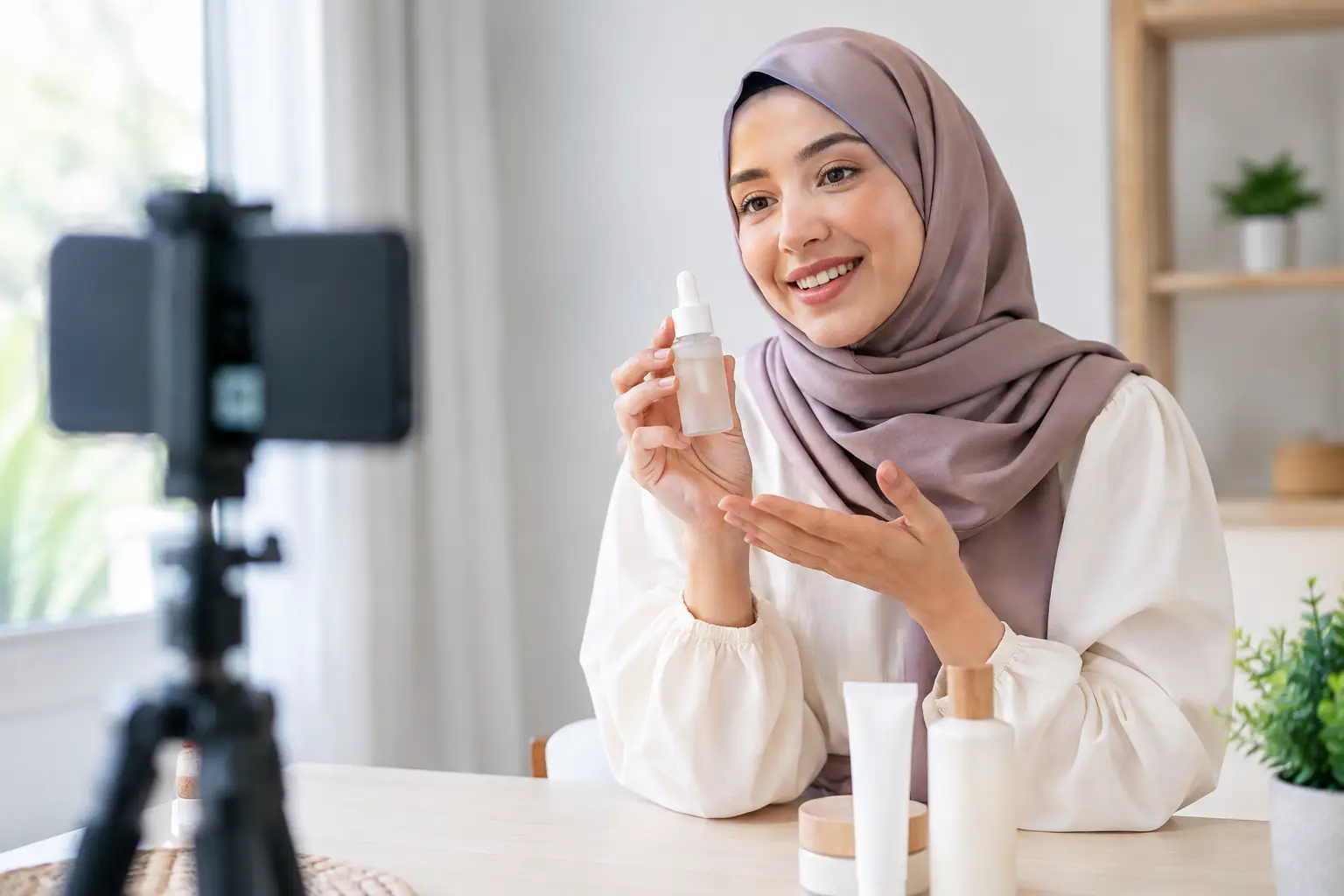
A Muslim creator posts a beautiful product video. The lighting is right, the edit is clean, and the discount code is live. Then the comments ask the question the brand should have answered before filming: Is it actually halal?
That gap is where halal influencer marketing succeeds or fails. This is not general influencer marketing with a crescent emoji added at the end. It is a channel built on audience trust, accurate representation, and operational decisions that hold up when customers look closely.
For halal brands, the upside is significant. Western Muslim consumers are already following creators for food recommendations, parenting advice, faith-centered education, modest style, personal care, finance, and everyday lifestyle content. The right creator brings more than reach. They bring context. But a poor fit can make a campaign feel performative, unclear, or commercially careless.
What halal influencer marketing actually requires
Halal influencer marketing is the practice of working with creators who can credibly introduce a product or service to Muslim and halal-conscious audiences. Credibility is the key word. A creator does not need to be a scholar to recommend a halal snack, skincare product, or family service. They do need to understand what their audience expects, what questions will arise, and what kinds of associations can damage trust.
That means campaign planning goes beyond follower count and engagement rate. Brands need to consider product eligibility, the creator's content environment, language used in the endorsement, visual choices, timing, and audience geography. A U.S.-based Muslim parent creator may be an excellent fit for halal lunchbox products and a poor fit for an Islamic investing app. A finance educator may have a smaller audience but be far more valuable for a product that needs explanation before it can convert.
There is no single Muslim audience. Practices, cultural backgrounds, levels of religious observance, household needs, and purchase behavior vary widely. Treating Muslim consumers as one uniform segment is a fast way to produce generic content that nobody feels was made for them.
Start with the claim, not the creator list
Before selecting creators, get precise about what the product can truthfully claim. This is especially important for food, supplements, cosmetics, finance, and services that use religiously meaningful language.
If a product has halal certification, state what it is and make documentation available to the campaign team. If it is suitable for halal-conscious customers but not formally certified, do not blur that distinction in a script. If a product is vegetarian, alcohol-free, or pork-free, those facts may matter, but they do not automatically make the product halal. Creators should never be put in the position of making a stronger claim than the brand can support.
The same principle applies to Islamic finance, education, and charity. Avoid vague phrases such as “fully Shariah-compliant” unless the business can substantiate them. For a charitable campaign, clarify where funds go, what administrative fees apply, and what impact can realistically be promised. Trust is hard won in these categories and easily lost through imprecise wording.
A useful internal test is simple: if a customer asked the creator for proof in the comments, could the brand provide a clear answer within one business day? If not, tighten the claim before the campaign starts.
Match creators by audience and content context
A creator can be Muslim and still be wrong for the campaign. The fit should be based on who watches, why they trust the creator, and whether the product belongs naturally in their content.
Start with the audience you need, not the format you want. A high-energy comedy creator may generate awareness for a halal beverage launch. A detailed recipe creator may drive stronger sales for pantry staples. A thoughtful faith and spirituality creator may be effective for an educational product, but only if the sponsorship approach respects the tone of their page.
Review recent posts, not just a media kit. Look at comment quality, repeat themes, audience questions, posting consistency, and how the creator handles prior partnerships. You are checking for more than brand safety. You are checking whether their audience acts on recommendations.
Also review adjacency. What products, sounds, jokes, visual settings, and sponsorships appear beside your campaign? Some brands have strict requirements. Others have room for creators to remain fully themselves. Neither approach is automatically better, but the standard must be clear before contracting.
For a first campaign, it often makes sense to work with a small group of creators across different audience types instead of spending the entire budget on one large account. You learn which messages travel, which content formats earn saves and comments, and where sales actually come from. The trade-off is more coordination. If your team cannot manage outreach, revisions, payments, and follow-up, a managed campaign can be the more efficient option.
Write a brief creators can use
A good brief protects the brand without turning the creator into a spokesperson reading a script. It gives them the facts, the boundaries, and the outcome you need, then leaves room for a delivery style their audience recognizes.
Keep the opening simple: campaign goal, product, target customer, deliverables, timeline, compensation, and success metric. Then provide the claims that are approved, the claims that are prohibited, and the details needed to answer predictable questions. Include product ingredients or certification information where relevant, shipping limitations, offer terms, disclosure requirements, and any visuals that must not appear.
The best briefs also explain the reason behind key restrictions. “Do not say certified halal” is useful. “Do not say certified halal because certification is pending” is better. Context helps creators avoid accidental workarounds and lets them speak with confidence.
Do not over-script personal testimony. A creator should only say they use, love, or recommend something if that is true. Product gifting can work well when the goal is an honest first impression, but it does not guarantee a post or give the brand the same control as a paid agreement. Be direct about the arrangement from the start.
Build campaign operations before content goes live
Most influencer problems are not creative problems. They are workflow problems. A missing approval date, an unclear usage right, or a payment delay can turn a promising collaboration into a poor experience for everyone.
Set the working terms before sending product. Confirm the exact deliverables, draft and revision process, posting window, disclosure language, payment timing, exclusivity period, and content usage rights. “One Reel” is not enough detail if the brand expects raw footage, paid advertising rights, link placement, story frames, or a fixed live date.
Give one person ownership of approvals. When feedback comes from a founder, a social manager, legal counsel, and a distributor at different times, creators receive conflicting direction and the launch slips. Consolidate feedback, prioritize changes that affect accuracy or compliance, and avoid revising content simply because several people have different personal tastes.
This is where a specialized partner can reduce friction. Hadyah, for example, is built around vetted Muslim creators and can manage selection, briefing, contracts, payments, revisions, and delivery for brands that want one accountable campaign process. The value is not just access to creators. It is fewer preventable mistakes between the first brief and the final post.
Measure the result that matches the goal
Reach matters for awareness, but it is rarely enough to judge a halal creator campaign. Track the behavior you need the campaign to produce.
For an ecommerce launch, use creator-specific codes or tracked landing pages and compare sales, conversion rate, average order value, and new-customer share. For a subscription service, watch qualified sign-ups and trial-to-paid conversion. For a charity, focus on completed donations, donor retention, and the cost to acquire a donor. For a brand entering a new market, saves, shares, comment sentiment, and direct-message questions may be valuable early signals before sales volume builds.
Do not make a decision from one post alone. Creator results are affected by timing, platform distribution, offer strength, stock availability, and how familiar the audience is with the product category. Review performance by creator, message angle, format, and audience segment. Then use those findings in the next brief.
A creator who produces modest sales but unusually strong questions and saves may be ideal for education at the top of the funnel. Another may drive immediate purchases because their audience has bought similar products before. Keep both roles distinct rather than forcing every partnership to meet the same benchmark.
Protect trust after the post
The work does not stop when content is published. Monitor comments quickly, especially questions about halal status, ingredients, sourcing, pricing, and fulfillment. Give creators a clear contact for questions they cannot answer. If a factual correction is needed, handle it directly and respectfully rather than hoping it disappears in the feed.
Then pay on time, share performance where appropriate, and keep notes on what worked. Strong creator relationships compound. The creator learns the product, the brand learns their audience, and future content feels less like an interruption.
The practical goal is not to make a campaign look Muslim. It is to make the right recommendation in the right context, with claims the brand can stand behind. When that standard is met, the audience notices - and they are far more likely to come back.
Want creators matched to your brand?
Hadyah connects halal brands with verified Muslim creators — with clear terms and protected payments.
Keep reading
Influencer marketing · October 15, 2026
Muslim Influencers for Halal Brands That Fit
Muslim influencers for halal brands help you reach trusted Western Muslim buyers. Choose creators with real fit, clear terms, and measurable sales goals.
Read more
Influencer marketing · October 14, 2026
How to Find Muslim Influencers for Your Brand
Learn how to find Muslim influencers with real audience trust, cultural fit, and campaign terms that protect your halal brand and drive measurable sales.
Read more