Influencer marketing · October 5, 2026 · 6 min read
The Islamic Economy Is a Growth Channel, Not a Niche
The Islamic economy is shaping demand across food, finance, fashion, and family products. Learn how halal brands can earn trust and grow with relevance.

A halal snack brand can have clean ingredients, credible certification, and competitive pricing, then still lose the sale because its marketing feels borrowed. That gap is where the Islamic economy becomes commercially relevant. It is not just a collection of halal products. It is a values-led consumer economy where trust, representation, and product fit directly affect growth.
For founders selling to Muslim consumers in the United States, Canada, and the United Kingdom, this distinction matters. A broad campaign may generate impressions. A culturally fluent campaign can generate consideration, repeat purchase, and a reputation that holds up when customers look closer.
What the Islamic economy actually includes
The Islamic economy covers the products, services, and business practices shaped by Islamic ethical principles. Halal food is its most visible category, but it extends far beyond the grocery aisle: modest fashion, Islamic finance, travel, beauty, education, media, family products, charitable giving, and digital services all sit within its reach.
The common thread is not a single consumer profile. Muslim consumers differ by age, heritage, level of observance, household structure, income, and personal taste. What connects many purchase decisions is a desire for products that respect religious boundaries and fit real life without requiring customers to compromise.
That means halal certification may be central for one purchase and less relevant for another. A personal-care buyer may examine ingredients and sourcing. A parent may care most about values, representation, and age-appropriate content. A customer choosing a financial product may expect clear information about interest, risk, and Shariah compliance. The category changes. The expectation of credibility does not.
Why the Islamic economy is growing beyond halal labels
The opportunity is larger than brands that market themselves exclusively as Islamic. Muslim consumers buy coffee, baby gear, software, skincare, apparel, insurance alternatives, and educational products. They also notice who speaks to them with respect and who treats Ramadan, Eid, modesty, charity, or faith as a decorative campaign theme.
Western Muslim consumers are not waiting for permission to spend. They are already active across mainstream and specialized categories. The opening for founders is to build products and marketing that recognize them as a defined audience with buying power, not an occasional seasonal segment.
This is where many companies get the brief wrong. They reduce the market to Ramadan promotions or a green crescent on existing creative. Seasonal moments can be commercially meaningful, particularly for food, gifting, fashion, charity, and family categories. But a brand that appears only during Ramadan can signal that it sees Muslim customers only when the calendar makes them visible.
Year-round relevance wins more trust. It can look like practical back-to-school content from a Muslim parent creator, a modest styling tutorial, an honest ingredient review, or a financial educator explaining a product without making claims it cannot support. The best work is useful first and branded second.
Values are part of the product experience
In most markets, brand safety is often discussed as avoiding controversy. In the Islamic economy, it also means avoiding contradiction. A halal-certified product placed beside content that conflicts with audience values can weaken confidence, even when the product itself is legitimate.
The same applies to language and casting. Not every campaign needs overt religious imagery. In fact, forcing it can feel performative. But creators, visuals, timing, music choices, family depictions, product claims, and adjacent sponsorships should all receive the same level of thought as packaging or paid-media targeting.
This is not about making every Muslim audience member agree on every cultural preference. That is impossible. It is about understanding the boundaries that matter to the audience you want to serve and making deliberate decisions instead of accidental ones.
Where brands lose trust
A weak campaign in this space usually does not fail because a founder had bad intentions. It fails because the execution was outsourced to people who did not understand the context.
The first problem is treating Muslim consumers as interchangeable. An Arab American family, a Black Muslim professional, a South Asian Canadian student, and a British convert may share some faith-based considerations while responding to very different creative, price points, and creator voices. Reach is useful. Relevance is what makes reach work.
The second problem is vague or inflated halal claims. If a product is certified, say what that means clearly. If it is alcohol-free, vegan, pork-free, or made with halal-suitable ingredients but not certified, do not blur those distinctions. Customers who care enough to ask will notice the difference, and they should not need to search through comments for an answer.
The third problem is choosing creators by follower count alone. A large audience does not guarantee cultural fit, audience trust, or the ability to discuss a product naturally. For a founder, the more useful questions are simple: Does this creator already speak to the customer we want? Can they show the product in a believable use case? Are their existing brand partnerships compatible with ours? Do their comments show an active, relevant community?
How creator marketing fits the Islamic economy
Creators are especially valuable in categories where consumers need context before they buy. A creator can show how a frozen meal fits a busy family routine, explain why a modest-fashion piece works for work and prayer, or walk through the practical use of a finance or education product. That is more persuasive than generic lifestyle imagery because it answers the questions customers actually have.
But creators should not be treated as decorative distribution. Give them a clear commercial goal, accurate product facts, required disclosures, and non-negotiable boundaries. Then leave room for their voice. Over-scripted content often sounds like an ad because it is one. The creator’s job is to make the use case understandable to people who already trust them.
For smaller brands, product gifting can be a sensible way to test fit when the offer is genuinely useful and the creator accepts the terms. It is not a substitute for paid work when you need guaranteed deliverables, usage rights, revisions, or a launch date. For larger campaigns, paid partnerships create clearer expectations and make performance easier to manage.
A practical campaign plan should define the audience, product angle, creator criteria, deliverables, timeline, and measurement before outreach begins. Track sales through creator-specific codes or landing pages where possible. Also watch saves, comments, site traffic, repeat creator mentions, and customer feedback. Some products convert immediately. Others, especially higher-consideration services, need multiple trust-building touchpoints before revenue shows up.
Match the campaign to the buying decision
Food and beverage brands often benefit from recipe content, taste reactions, pantry routines, and family use cases. Beauty and personal-care brands need transparent ingredient discussions and demonstrations that feel credible. Modest fashion needs fit, styling, and fabric details, not only polished photos. Islamic education and finance products need creators who can explain benefits carefully without turning a nuanced decision into a simplistic promise.
It depends on what customers must believe before purchasing. If the main barrier is awareness, prioritize discovery. If the barrier is confidence, use creators with subject knowledge and a track record of thoughtful reviews. If the barrier is price, demonstrate value in a specific routine rather than leading with a discount.
Hadyah exists for this operational reality: halal brands need access to creators who understand both the commercial brief and the cultural context, without spending weeks sorting through broad influencer databases.
Build for the audience you intend to keep
The Islamic economy rewards businesses that see cultural fluency as an operating standard, not a campaign add-on. That starts before creator selection. It affects product positioning, customer service, claims review, creative approval, and the partnerships a brand chooses to pursue.
Founders do not need to overcomplicate this. Be specific about whom you serve. Be precise about what your product is and is not. Put credible people in front of the audience. Pay creators fairly when you need committed work. Measure the results, then keep investing in the messages that customers repeat back to you.
The next useful step is not a bigger awareness campaign. It is one honest brief: identify the customer, the moment your product solves, and the creator who can explain it without pretending to be someone they are not.
Want creators matched to your brand?
Hadyah connects halal brands with verified Muslim creators — with clear terms and protected payments.
Keep reading
Influencer marketing · October 15, 2026
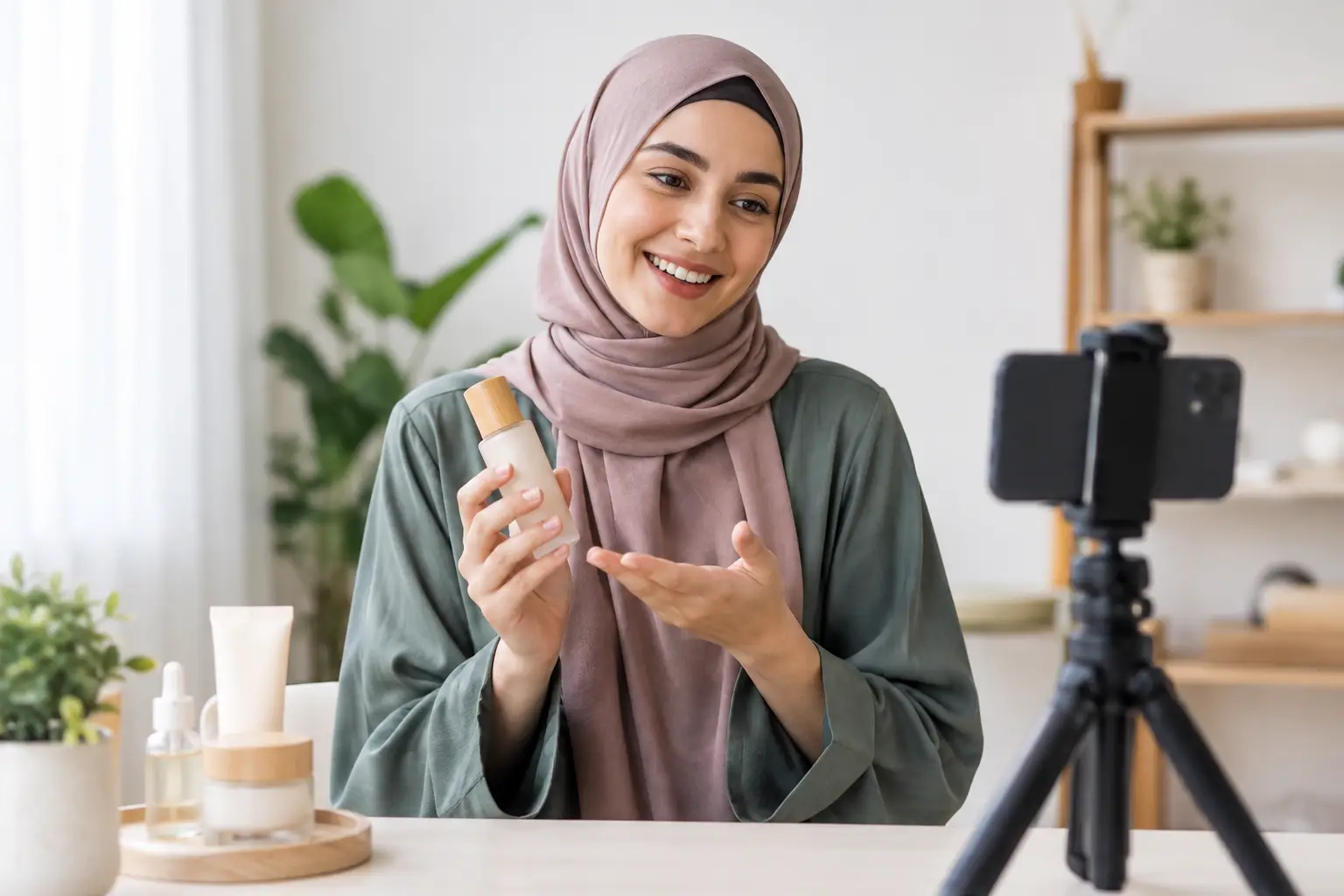
Muslim Influencers for Halal Brands That Fit
Muslim influencers for halal brands help you reach trusted Western Muslim buyers. Choose creators with real fit, clear terms, and measurable sales goals.
Read more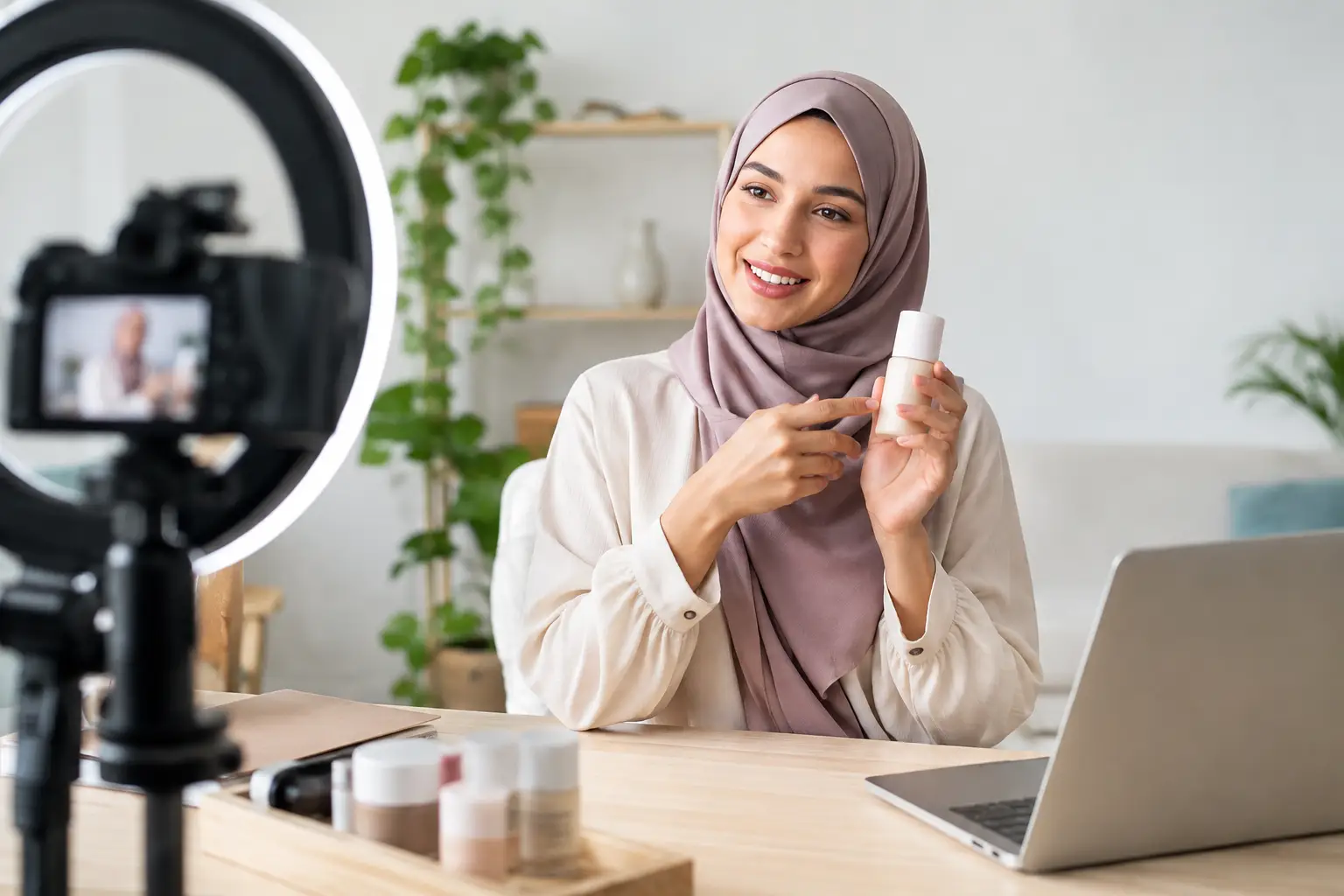
Influencer marketing · October 14, 2026
How to Find Muslim Influencers for Your Brand
Learn how to find Muslim influencers with real audience trust, cultural fit, and campaign terms that protect your halal brand and drive measurable sales.
Read more